If you’ve ever stared helplessly at dead batteries 50 miles from the nearest campground, you know the harsh truth: off-grid dreams die fast without reliable power. For RVers embracing solar, choosing the right system isn’t just about convenience—it’s survival. That’s where renewable energy panel rk green power solutions come in, offering dependable, sustainable energy for life on the move. In this guide, we’ll cut through the marketing fluff and show you exactly how to select, install, and maintain a setup that actually works.
Table of Contents
- Why RV Solar Matters in Home Improvement
- Step-by-Step RV Solar Setup
- Top Best Practices for Solar Efficiency
- Real-World Results & Case Study
- Frequently Asked Questions
Key Takeaways
- Not all RV solar kits deliver equal performance—panel quality and battery matching are critical.
- Shading—even partial—can cripple output; position panels with full sun exposure.
- Maintenance is minimal but non-negotiable: clean panels quarterly and check connections.
- Renewable energy panel rk green power systems offer balanced cost-to-efficiency ratios for mid-range budgets.
- Avoid “plug-and-play” traps that skip proper charge controller sizing.
Why RV Solar Matters in Home Improvement
Home improvement isn’t just about kitchens and bathrooms anymore. For modern nomads, your RV *is* your home—and upgrading its energy infrastructure is as essential as insulation or plumbing. With over 11 million U.S. households owning an RV (according to the RV Industry Association), demand for self-sufficient power is surging. Yet, many first-timers buy underpowered kits that fail within months.
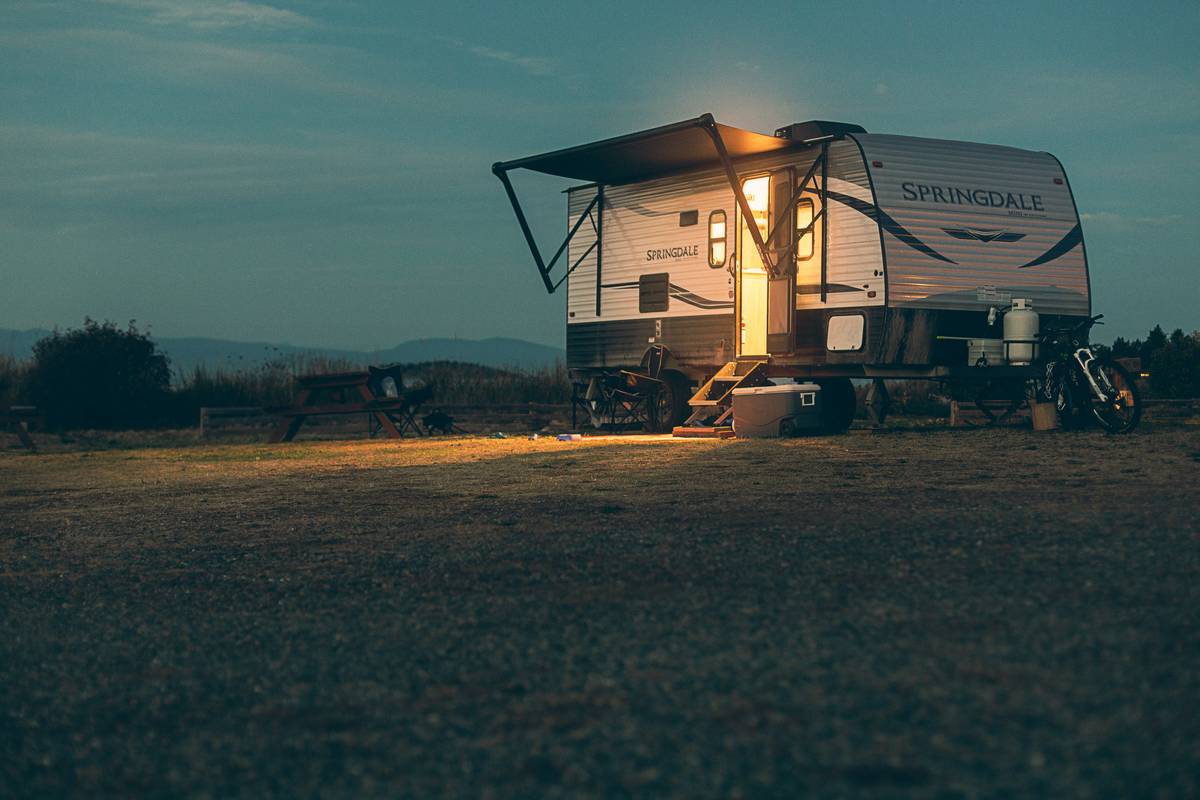
I learned this the hard way. On a desert trip in Nevada, I installed a cheap 100W kit that claimed “all-in-one simplicity.” By day two, my fridge shut down, and my phone died trying to call for help. Turns out, the included PWM controller wasted 30% of potential energy—something an MPPT controller would’ve avoided. Lesson? Don’t chase false economy.
Step-by-Step RV Solar Setup
1. Audit Your Power Needs
Track every device: fridge (avg. 40–60Ah/day), lights (5Ah), water pump (8Ah). Total your daily amp-hours. The U.S. Department of Energy recommends adding a 20% buffer for cloudy days.
2. Choose Your Panel Type
Monocrystalline panels (like those in renewable energy panel rk green power kits) offer higher efficiency (20–23%) than polycrystalline—critical when roof space is limited.
3. Size Your Battery Bank
Lithium (LiFePO4) lasts 3–5x longer than lead-acid and tolerates deeper discharges. For a 100Ah daily need, aim for a 200Ah lithium bank.
4. Install Properly
Mount panels flush with roof rails using marine-grade sealant. Angle isn’t crucial on RVs—flat mounting is standard. Just ensure zero shading from AC units or vents.
Top Best Practices for Solar Efficiency
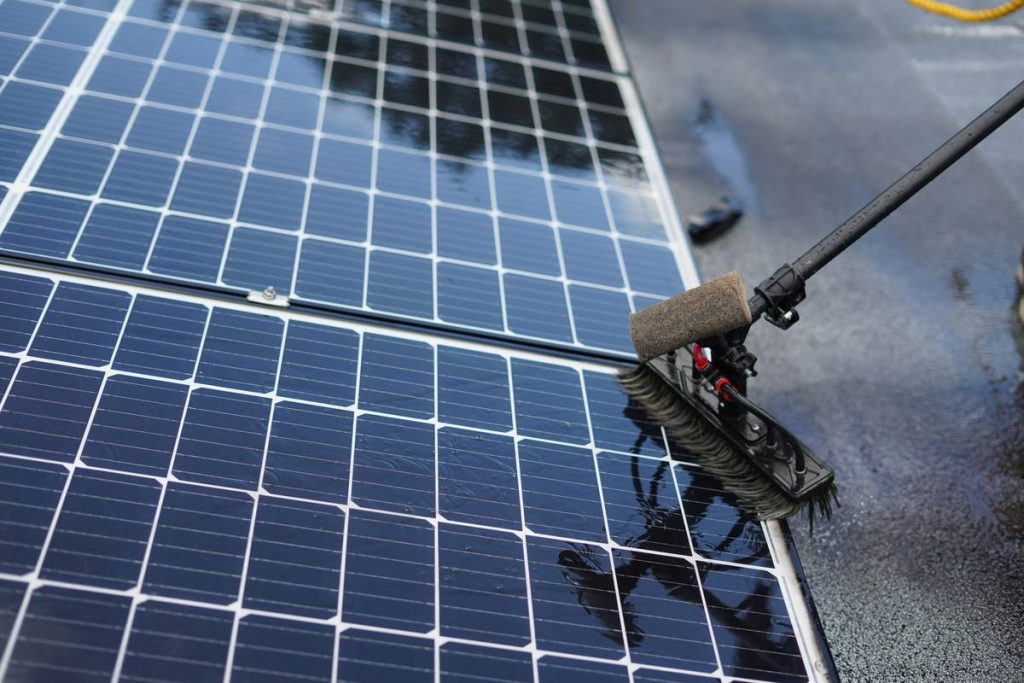
- Clean panels every 3 months: Dust and bird droppings can slash output by 25% (National Renewable Energy Laboratory data confirms this).
- Use an MPPT controller: It harvests up to 30% more power than PWM, especially in variable light.
- Never mix old and new batteries: This strains the entire bank and shortens lifespan.
- Avoid this terrible tip: “Just wire panels straight to batteries!” Without a charge controller, you risk thermal runaway or fire.
Real-World Results & Case Study
Last summer, a Colorado-based couple upgraded their Class C RV with a 400W renewable energy panel rk green power system paired with a 300Ah lithium battery. Over 60 days of boondocking—from Oregon forests to Arizona deserts—they ran a 60L fridge, CPAP machine, and laptop continuously. Their only downtime? Two overcast days in the Pacific Northwest, mitigated by modest generator top-ups. Post-trip data showed 92% self-sufficiency—proof that well-designed solar works.
For context, the average American RV consumes ~35 kWh/month off-grid (U.S. DOE). Their system delivered 45 kWh monthly, exceeding needs safely.
Frequently Asked Questions
How many solar panels do I need for my RV?
Most setups range from 200W–800W. Calculate based on daily consumption: 100W panel ≈ 30–40Ah/day in full sun.
Are renewable energy panel rk green power systems worth it?
Yes—for mid-budget builds. They balance cost, durability, and output better than ultra-cheap imports or premium brands.
Can I install RV solar myself?
Absolutely, if you’re comfortable with basic 12V wiring. Just double-check polarity! We detail our process on our About Us page.
Do solar panels work on cloudy days?
Yes, but at 10–25% capacity. Always size your battery bank for 2–3 days of autonomy.
What’s the biggest solar mistake RVers make?
Undersizing the charge controller. Match it to your panel’s *maximum possible* output—not just nominal wattage.
Is my data safe when requesting quotes?
We never sell personal info. See our full policy at Privacy Policy.
Off-grid freedom shouldn’t hinge on guesswork. With smart choices and honest gear like renewable energy panel rk green power, your next adventure stays powered—rain or shine. Ready to design your perfect setup? Contact us for a free, no-pressure consultation.
Watts saved are watts earned—especially when your coffee depends on them.