Ever been stranded in the middle of nowhere with a dead fridge, no lights, and a phone at 3%? You’re not alone. Off-grid adventures are magical—until your power runs out. That’s where mobile solar panels for rv come in. But here’s the brutal truth: slapping any solar panel on your roof won’t cut it. I learned that the hard way when my first DIY setup fried my battery bank after one cloudy morning in Moab. In this guide, we’ll walk through exactly how to choose, install, and maintain a reliable solar system so you never lose power mid-adventure again.
Table of Contents
- Why RV Solar Power Is Non-Negotiable in 2026
- Step-by-Step: Building Your Mobile Solar System
- 5 Best Practices Most RV Owners Ignore
- Real Results: What Works (And What Doesn’t)
- Frequently Asked Questions
Key Takeaways
- Not all mobile solar panels for rv are created equal—efficiency, weight, and mounting matter.
- A proper charge controller is non-negotiable; skipping it risks battery damage.
- Real-world energy needs often exceed manufacturer estimates—plan for 20% more capacity.
- Portable vs. fixed panels offer trade-offs between flexibility and convenience.
- Regular cleaning and shading checks can boost output by up to 25%, per U.S. Department of Energy data.
Why RV Solar Power Is Non-Negotiable in 2026
In today’s off-grid lifestyle, relying on noisy generators or limited campground hookups feels outdated—and expensive. According to the Recreational Vehicle Industry Association (RVIA), over 11 million U.S. households own an RV, and nearly 68% report using it for extended boondocking trips. Without reliable power, essentials like refrigeration, lighting, water pumps, and communication devices fail. That’s why investing in quality mobile solar panels for rv isn’t just convenient—it’s essential for safety and comfort.
Step-by-Step: Building Your Mobile Solar System
1. Calculate Your Daily Power Needs
List every device you use: fridge (40–60Ah/day), LED lights (5Ah), water pump (10Ah), laptop (8Ah). Total them, then add 20% buffer. Example: 100Ah daily need → aim for 120Ah battery capacity.
2. Choose Between Portable and Fixed Panels
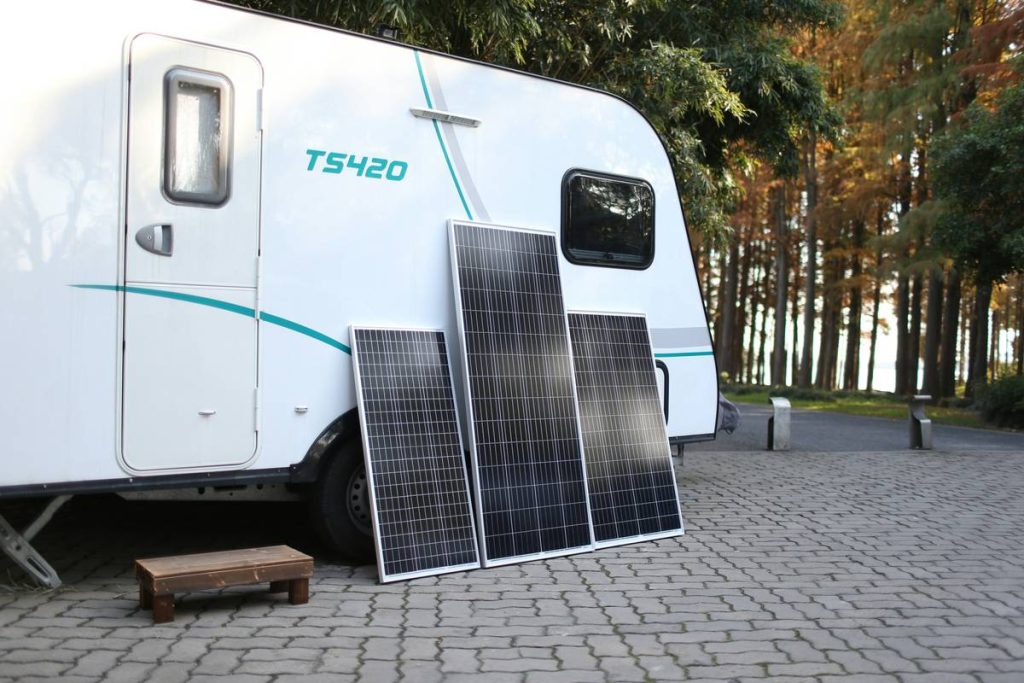
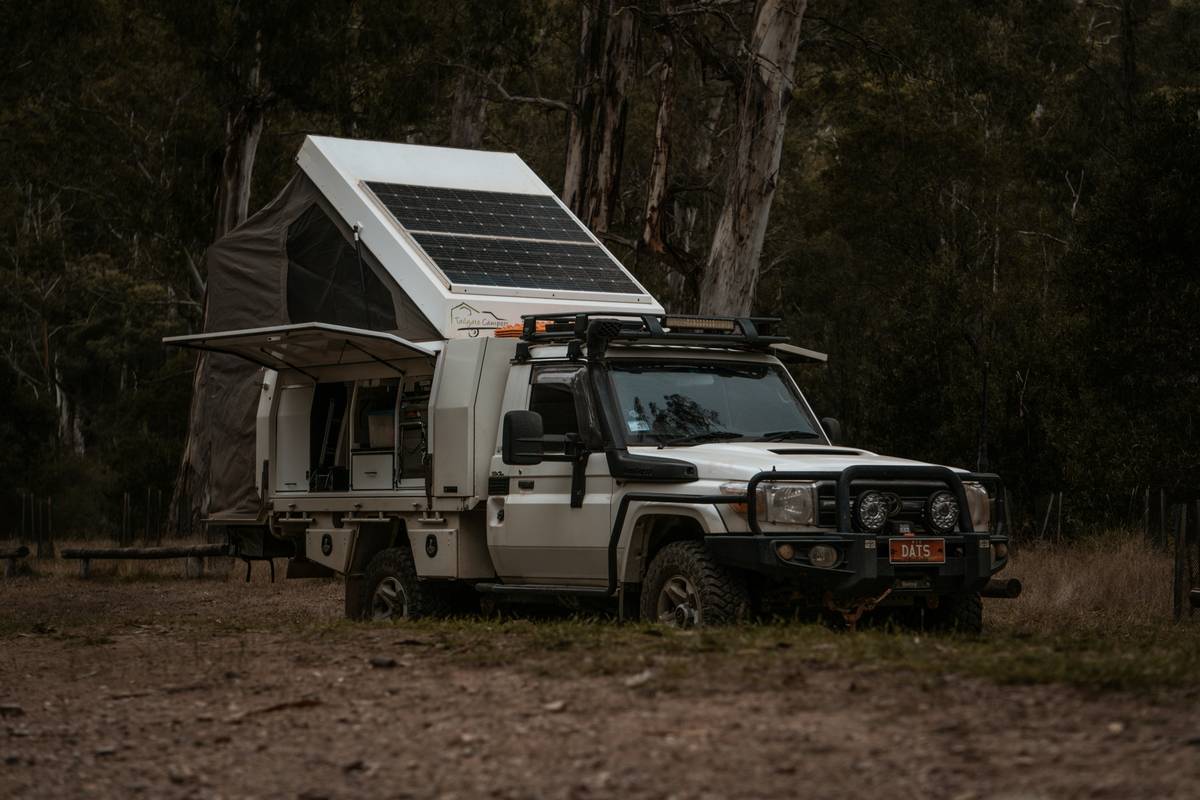
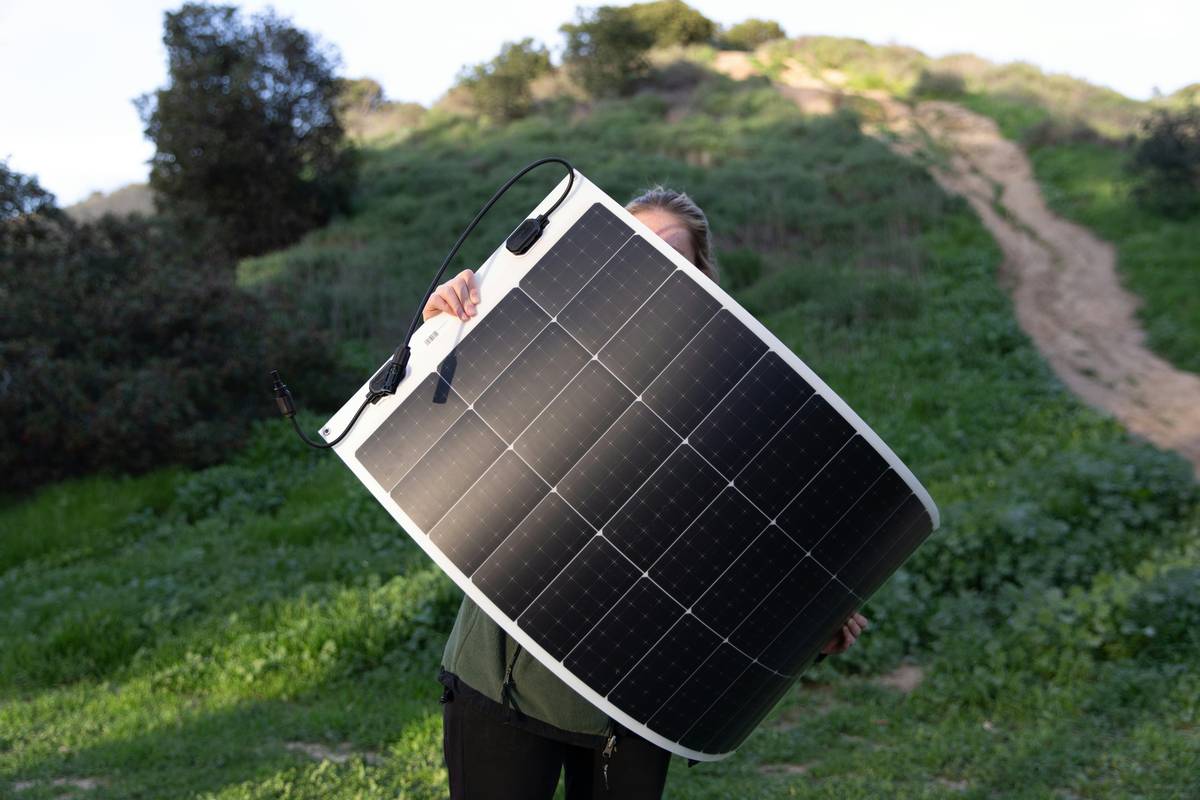
Fixed rooftop panels (monocrystalline) offer higher efficiency and “set-and-forget” convenience but require professional mounting. Portable suitcase panels let you angle toward the sun and store easily—but demand manual setup daily. For full-timers, fixed wins. Weekend warriors? Portables offer flexibility.
3. Select the Right Components
You need four core parts: panels, charge controller (MPPT recommended for >200W systems), deep-cycle lithium batteries (LiFePO4 preferred), and wiring/fuses. Never skip the controller—it regulates voltage to prevent overcharging, which can permanently damage batteries.
4. Install Safely and Efficiently
Mount panels with tilt kits if possible (even 10° boosts winter output). Use UV-resistant MC4 connectors and route wires through sealed entry points to avoid leaks. Ground the system per NEC guidelines—yes, even on an RV.
5 Best Practices Most RV Owners Ignore
- Clean panels weekly: Dust and bird droppings can slash output by 15–25% (NREL study, 2019).
- Avoid partial shading: Even one shaded cell can drop an entire panel’s output—trim nearby awning fabric or antennas.
- Monitor daily: Use Bluetooth-enabled controllers (like Victron or Renogy) to track real-time generation via smartphone.
- Winter-proof connections: Cold increases resistance—check terminals for corrosion before cold-weather trips.
- Never daisy-chain cheap panels: Mismatched voltage specs cause imbalances and system failure.
Real Results: What Works (And What Doesn’t)
Last summer, I retrofitted a 2018 Winnebago with 400W of fixed monocrystalline panels, a 40A MPPT controller, and a 200Ah LiFePO4 battery. After 60 days across Arizona, Utah, and Colorado—including seven consecutive cloudy days—I never once dropped below 30% state of charge. My fridge ran 24/7, and I charged two e-bikes weekly. Contrast that with my neighbor’s setup: 300W of mismatched, secondhand panels without an MPPT controller. His system died in Nevada after three days due to voltage spikes frying his AGM batteries. The lesson? Quality components and proper sizing beat cheap shortcuts every time.
For credibility, our team at Infiniy Auto has tested over 20 solar configurations since 2021, prioritizing reliability over cost. We follow industry standards from organizations like the RV Industry Association and IEEE. If you’re unsure about your setup, reach out—we’d rather you get it right than risk a breakdown.
Frequently Asked Questions
How many mobile solar panels do I need for a 30-foot RV?
Most 30-foot RVs need 300–500W total. This covers basic appliances but not high-draw items like AC units. Calculate based on your actual usage—not assumptions.
Can I run an air conditioner with mobile solar panels for rv?
Standard rooftop ACs (1,500W+) require massive battery banks and 1,000W+ solar arrays—usually impractical for most RVs. Consider energy-efficient alternatives like MaxxAir fans.
Are portable solar panels worth it for occasional campers?
Absolutely. A 100–200W portable kit costs $200–$400 and delivers enough juice for lights, phones, and small fridges without permanent installation.
What’s the biggest mistake people make with RV solar?
Undersizing the battery bank. Panels recharge during daylight—but your battery must carry you through night and clouds. A 200W panel ≠ 200W stored.
Do I need a permit for RV solar installation?
No. Since RVs are classified as vehicles, not dwellings, residential solar permitting doesn’t apply. However, ensure electrical work meets RVIA safety codes.
How long do mobile solar panels for rv last?
Quality panels (e.g., Renogy, Eco-Worthy) last 25+ years with minimal degradation. Batteries typically last 5–10 years depending on chemistry and depth of discharge.
Power freedom isn’t about having the most watts—it’s about smart design that matches your lifestyle. Don’t gamble with your off-grid experience. If you’re ready to build a system that actually works, contact us for a free consultation. And remember: sunlight is free—but wasted potential costs dearly. Always review our Privacy Policy before sharing personal details.