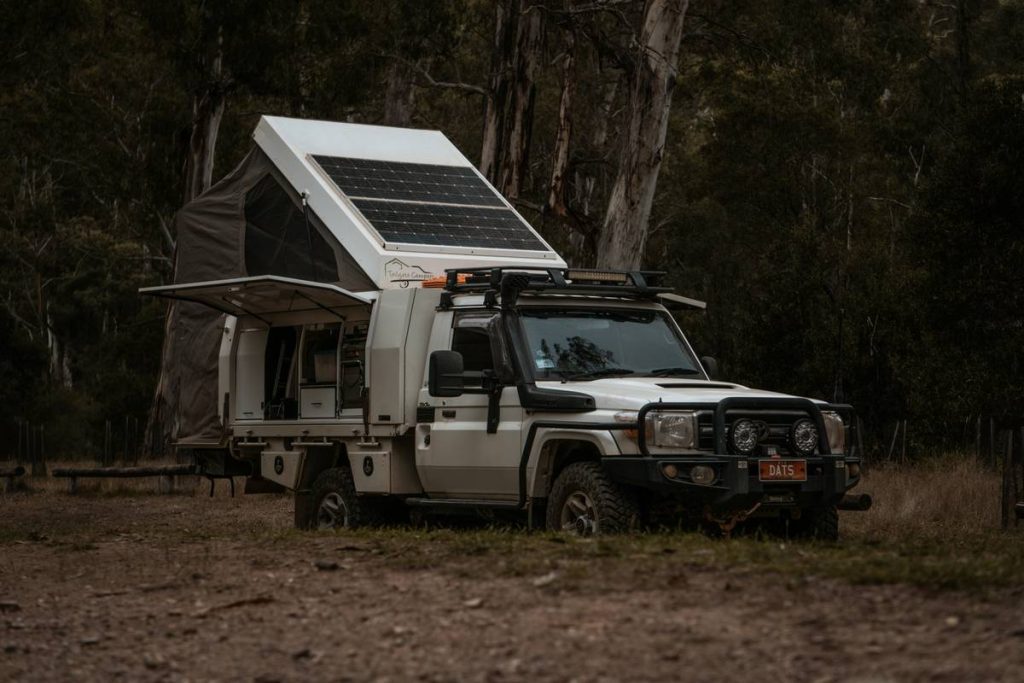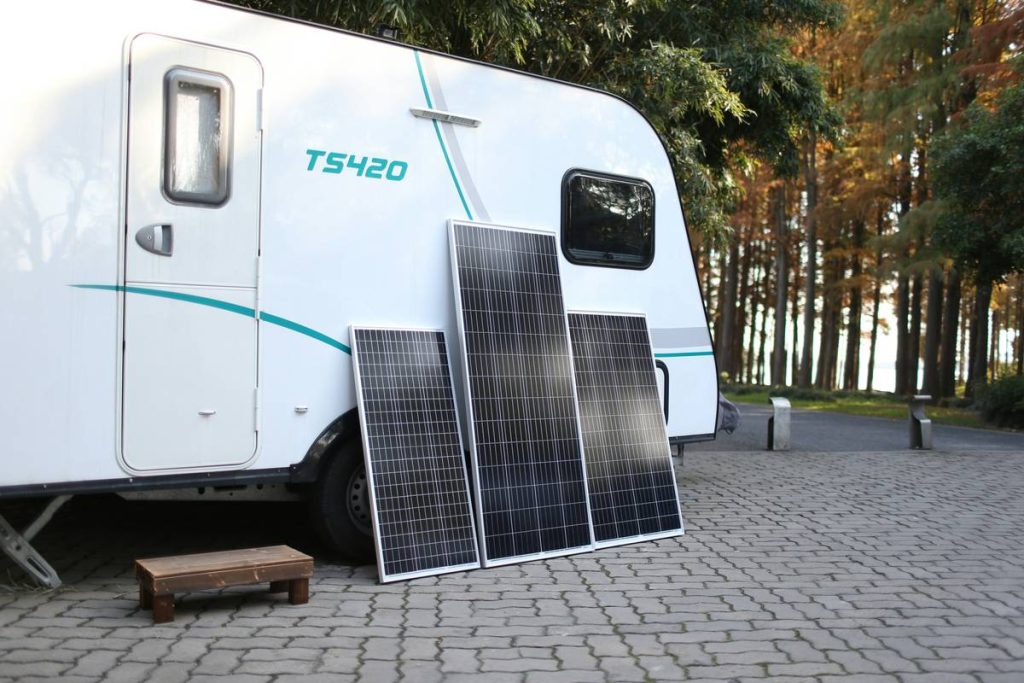
You just pulled into a remote campsite—no hookups, no grid, just silence. Your fridge is warming up, your phone’s dying, and that freedom you craved? Feels more like a power crisis. Standard RV setups fail fast when the sun sets. But solar power panels for rv can change everything—if you install them right.
Why Most RV Solar Setups Fizzle Out After Day Two
Slapping a couple of 100W panels on your roof and calling it “off-grid” is wishful thinking. And it’s why so many travelers end up running their generator at 3 a.m. The problem isn’t solar—it’s mismatched expectations. Most kits sold online are underpowered for actual use: coffee maker, vent fan, CPAP machine, satellite router—all running simultaneously. The math is simple: if your daily draw is 120Ah and your panels only replenish 60Ah in real-world conditions (not lab-perfect ratings), you’re draining your batteries faster than you recharge them.
Roof curvature, partial shading from AC units, and subpar charge controllers cripple efficiency. Think about it—your panel might say “200W,” but if it’s tilted flat on a hot August afternoon in Moab, output can drop by 30%. And cheap PWM controllers waste even more potential. You need more than wattage—you need smart integration.
How to Build a Reliable RV Solar System That Actually Works
Forget one-size-fits-all bundles. A functional setup starts with an energy audit—then scales intelligently.
Step 1: Calculate Your True Daily Energy Consumption
List every device you’ll run regularly. Multiply wattage by hours used. Add 20% buffer for inefficiencies. Example: 50W fridge × 24h = 1,200Wh; 60W fan × 8h = 480Wh. Total ≈ 2,000Wh/day. That’s your baseline—not what a marketing brochure claims.
Step 2: Choose Panel Type Based on Roof Real Estate
Monocrystalline panels offer the highest efficiency per square foot—critical on limited RV roofs. Flexible panels save weight but degrade faster. Rigid glass panels last longer but need proper mounting clearance for airflow. Don’t chase “flexible = better.” In high-heat environments, rigid often outperforms over time.
Step 3: Match Battery Bank & Charge Controller Correctly
A 200Ah lithium battery needs at least 400–600W of solar input to recharge fully in a sunny day. Pair it with an MPPT charge controller—never PWM—for maximum harvest. MPPT can boost yield by 20–30% in partial sun or cold conditions. Yes, it costs more. But it pays back in usable power.

| System Tier | Panel Wattage | Battery Type | Daily Output (Real-World) | Best For |
|---|---|---|---|---|
| Weekend Warrior | 200W | 100Ah AGM | 800–1,000Wh | Basic lighting, phone charging, occasional fan |
| Full-Time Minimalist | 400–600W | 200Ah LiFePO4 | 1,800–2,500Wh | Fridge, CPAP, laptop, LED lights, vent fan |
| Boondocking Power User | 800W+ | 300–400Ah LiFePO4 | 3,000–4,000Wh | Microwave, induction cooktop, water pump, multiple screens |

The Industry Secret: It’s Not About Peak Sun—It’s About Consistent Recharge
Here’s what vendors won’t tell you: RV solar success hinges less on total wattage and more on *recharge consistency*. One cloudy day shouldn’t tank your system. The fix? Oversize your panels relative to your battery bank. A 600W array on a 200Ah lithium pack sounds excessive—but in winter or forested campsites, that “excess” becomes essential. Lithium batteries tolerate partial state-of-charge far better than lead-acid, so harvesting 70% on a marginal day still keeps you safe. Most failures occur because people size for ideal summer conditions, not shoulder-season reality. Build for October—not July.
Frequently Asked Questions
Can I run an air conditioner with solar power panels for rv?
Not practically. Most RV AC units draw 1,500–2,000W continuously—far beyond typical mobile solar+battery capacity. Use shade, ventilation, and parking strategy instead.
Do flexible solar panels last as long as rigid ones?
Rarely. Most degrade 2–3× faster due to UV exposure and thermal cycling. Expect 3–5 years vs. 10+ for quality rigid monocrystalline panels.
Is it worth adding solar if I mostly stay in campgrounds?
Yes—for battery maintenance. Even plugged-in rigs suffer sulfation on unused house batteries. A small 100W panel keeps them topped off silently, extending lifespan.